
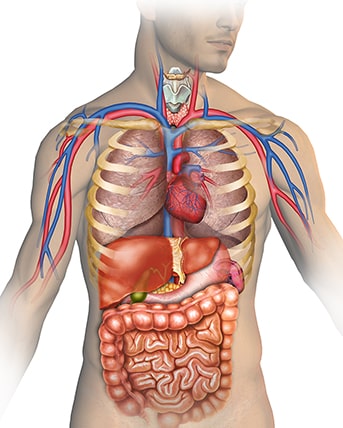
Without going into as much detail, other organs, tissues, and systems experience direct or indirect harm from mold toxins. These include the joints, the skin, the eyes, the bladder, the respiratory system and the cardiovascular systems. As before, not everyone experiences every single symptom or symptoms in every single body system. If you have seen (or been one) one mold patient, you have seen only one example of a broad spectrum of mold presentations. If you have seen 100 mold patients (or several 100’s) as we have, patterns develop across patients, but still each one is unique in some way. These other systems are not as consistent in showing up in a mold patient’s symptom list, but usually one or two pop up in each one. As discussed in prior sections, mold toxins come in dozens of specific types which also means that different toxins will lead to different symptoms depending on which one or more is present in a given sufferer. Combining multiple toxins creates an even greater diversity of symptoms that are mentioned below.
The joints of our body may suffer directly or indirectly leading to musculoskeletal pain and dysfunction. Direct chemical inflammation or indirect autoimmune attacks may be caused by mold. As individuals continue with months and years of fatigue or avoiding exertion due to pain, they may also lose strength and sometimes lose flexibility from deconditioning. This deconditioning can add to the aches and pains of physical activity. In others, hypermobility, or increased joint range of motion may develop, also contributing to join pain.
The skin may also suffer directly or indirectly. Indirectly, GI malabsorption and malnutrition from mold toxicity can lead to deficiencies affecting our skin. Mold can indirectly initiate or exacerbate allergic responses which produce hives and weird rashes as well as random unusual sensations. When mold directly damages the various fatty acids that keep our skin healthy, aging results that nobody looks forward to.
The eyes may suffer in various ways. As with the skin, the allergic processes triggered by mold may cause itching and irritation. Through effects on the metabolism of eye muscles, vision can grow a little blurry from eye muscle fatigue. Decreased blood flow in the brain or retina (back of eyes) can lead to visual changes also. None of this is wanted by those already struggling with so many other effects of mold.
The bladder may get caught up in the wave of dysfunction. It may become overactive through nervous system dysfunction or suffer inflammation from interstitial cystitis. With an impaired immune system, recurrent bacterial or yeast infections may contribute to urinary symptoms as well. Nervous system dysfunction or kidney dysfunction can lead to incontinence.
The respiratory system is not forgotten by mold either. Sufferers often experience symptoms like shortness of breath, cough, and air hunger. The severity can range from annoying to frightening. Allergic processes, inflammatory processes, and fibrosis can underlie these symptoms. At times, even nervous system dysfunction in the form of neuropathy can impair the sense of breathing leading to air hunger despite adequate oxygenation. Rarely if ever are these symptoms life threatening as with other respiratory diseases, but they can be very annoying, even debilitating.
Last but not least, the cardiovascular system may experience blood flow imbalances in extremities or even evidence pressure changes in the heart. This may worsen fatigue and frighten the patient who suffers from unexplained palpitations, trouble breathing or unexplained limb swelling. Symptoms of postural orthostatic tachycardia syndrome (POTS) may leave patients struggling with walking, driving, and other daily activities which require upright positions.
In summary, every mold patient is different. Any one or two of these symptoms are annoying, but for those who have five or ten or more of these symptoms, their lives can be adversely impacted even to the point of disability. The uncertainty and lack of answers from conventional medicine for these myriad symptoms only compound the challenge of living with mold toxicity. But, you don’t have to live this way for the rest of your life once you discover the underlying reason (or root cause) for your long list of symptoms.