
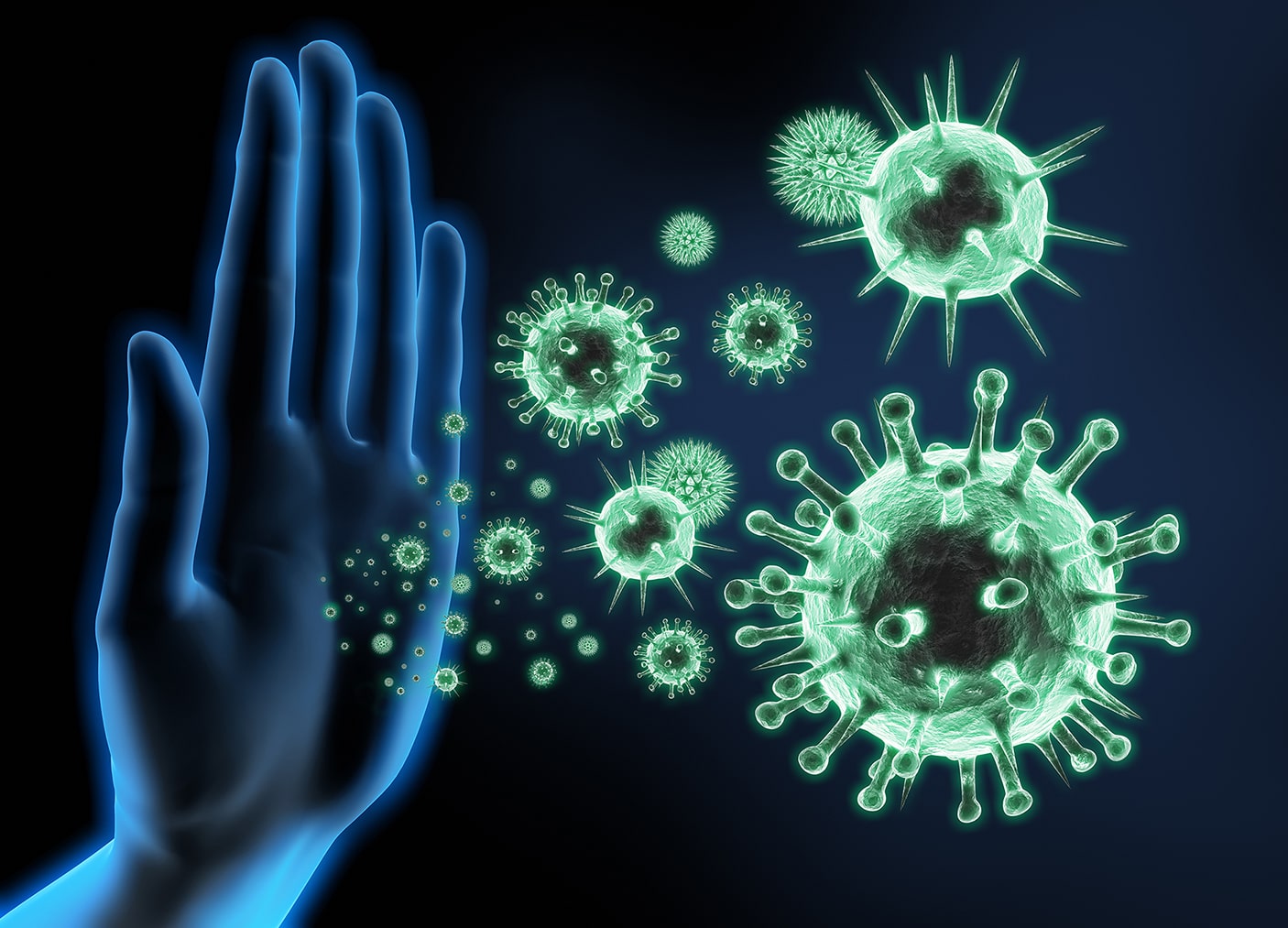
Having earlier discussed the immune system’s central role in ongoing inflammation, mold toxins also change the immune system’s defense mechanisms. With mold toxicity, the defense system, which is supposed to protect the body from outside invaders, becomes confused and imbalanced. In one respect, the defense function is weakened. In another, autoimmunity, it is amplified. In no sense, is the change good for a person’s health.
Under normal conditions, our immune system balances tolerance and intolerance. We very much need our immune system to discriminate between the countless molecules both structural and functional of our various organ systems versus the foreign molecules of viruses, bacteria, parasites, fungi, and toxins. We need the immune system, in all its complexity with cells, antibodies, and communication systems, to correctly identify our molecules and tissues as belonging to us and leave them alone most of the time. The only time our immune system needs to respond to our cells is when our cells are infected or chemically marked for turnover, i.e. trash. Otherwise, the immune system needs to stay out of the ways and let our systems do their work.
On the other hand, our immune system must quickly and correctly identify foreign molecules and organisms before they do any damage. Once identified, our immune system must react with adequate force to eradicate the threat while not causing significant damage to our own nearby cells and tissues. Setting off shotguns and grenades at a molecular level in our body is not a good way to handle invaders. Sharpshooting the microbes or toxins limits secondary damage such as oxidative stress. Balance is the key factor in all of these processes. First discriminating self from non-self, then removing the non-self without hurting the self-tissues is critical for a well-functioning immune system.
This balance is lost when mold toxins by themselves or in combination with other toxins push the immune system off balance. An off-balance immune system can mistakenly identify self as non-self as well as improperly respond to invaders (i.e. non-self).
In one instance, the immune system can lose discriminatory ability and initiate autoimmune processes, or attacks on our own tissues and cells. Autoimmune diseases are many and varied depending on which cells or tissues or organs are affected. A common example includes Hashimoto’s Thyroiditis as the immune system develops antibodies to our own thyroid tissue. The destruction of thyroid hormone producing tissue eventually leads to hypothyroidism with all its unwanted symptoms. Other auto-immune diseases result from other antibodies against our own cells such as Anti-Nuclear Antibodies (ANA) which may mimic or trigger a variety of classical autoimmune diseases like Lupus. With mold toxicity, gluten antibodies may arise and trigger symptoms when gluten is eaten. The list goes on. Basically, the immune system sometimes becomes the aggressor against its own body.
Meanwhile, with the ongoing inflammatory state triggered by excessive mold toxins, the immune system appears to grow lax in its intended role as defender of our bodies. New microbes, such as bacteria, parasites, or viruses have an easier time entering the body and remaining in the body to multiply and cause disease. Old microbes, ones which have sat around in a latent or dormant state, can also reawaken to multiply and wreak havoc. These infectious “friends of mold” will be discussed later, but for now just know that mold distracts and suppresses our immune system. Consequently, we become more susceptible to both simple infections, like colds, and chronic infections, like Lyme. In addition, the healthy balance of helpful body microbes (such as gut bacteria) can become imbalanced because of poor immune system controls. Having left the patient with an unhealthy balance of microbes, this altered microbiome then leads to various disease states.
In summary, mold toxins, when they reach a threshold in mold sensitive patients (those who cannot degrade such toxins internally) can trigger either an underactive and/or an overactive immune system. The balance of our immune system recognizing our “self” tissues versus “non-self” tissues is disrupted and either autoimmune diseases or various infections can develop. Restoring health requires removing the mold toxin trigger and restoring the balance that has been lost.